
Rome rewards a little planning more than most cities. Two days is nowhere near enough, and nobody who lives here would pretend otherwise, but it is enough for a satisfying first visit — provided you stop trying to see everything. The big sights sit in tight clusters, the historic centre is walkable, and the difference between a lovely weekend and an exhausting one usually comes down to three things: what you book in advance, what time you turn up, and how far you walk.
Here is how to arrange all three.
Tickets: Book a Little, Not a Lot
Rome's headline sights use timed entry, and in spring, summer and around public holidays the popular slots disappear days or weeks ahead. Book direct with the official operator where you can. Resellers sometimes work perfectly well and sometimes hand you a voucher, a meeting point and a longer morning than you wanted.
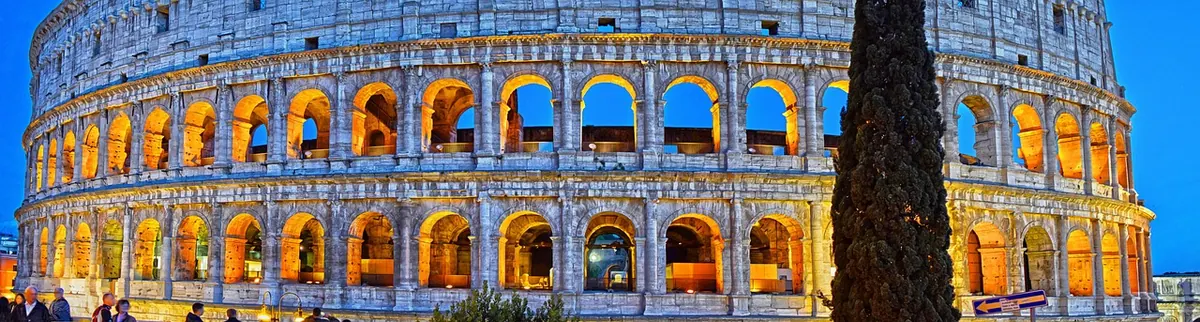
- Colosseum, Roman Forum and Palatine Hill: one combined ticket, timed at the Colosseum, with a name attached to each ticket. Bring photo ID; it is checked.
- Vatican Museums and Sistine Chapel: timed entry, closed most Sundays. The last Sunday of the month is free, which is lovely in principle and extremely busy in practice.
- Galleria Borghese: small, strictly slot-based, closed Mondays. Book early or accept that you may miss it.
- Pantheon: ticketed these days. The queue moves briskly, but buying ahead in high season is worth the small effort.
- St Peter's Basilica: free to enter, so there is nothing to book — the line is security. The dome climb is a separate ticket, and you will still climb stairs even if you take the lift.
City cards such as the Roma Pass bundle transport with a couple of entries. They suit some trips and not others. Run the numbers against what you genuinely intend to visit rather than buying on instinct at the airport.
Queues: When to Arrive and What to Expect
Most waiting in Rome is really two things: security screening and people who turned up without a ticket. You can dodge a surprising amount of both.
The Colosseum and the Forum
Take the first entry slot of the day if you can. Arrive fifteen or twenty minutes early, clear security, and you will have the amphitheatre at its calmest. The Forum and Palatine Hill have more than one entrance, and the queue at one is often noticeably shorter than at the other — worth a look before you commit to joining the longest line you can see.
One warning: on the first Sunday of the month, state museums are free. The queues on those days are formidable. If your time is short, pay and go another morning.
The Vatican and St Peter's
For the Vatican Museums, either the first slot of the morning or a late weekday afternoon works best; there are occasional evening openings in the warmer months. For St Peter's, the security line runs along the colonnade — early morning and after about four in the afternoon tend to be kinder. Sunday mornings are busy with worshippers, so plan around them rather than through them.
A Two-Day Route That Doesn't Burn You Out
Group your days by geography, not by importance. Crossing the city three times in a day is what turns a good trip into a forced march.
Day one: ancient Rome and the centre
Start at the Colosseum, walk through the Forum and up the Palatine Hill, then drop into Monti for lunch. Afternoon: the Pantheon, Piazza Navona, and a slow wander towards Campo de' Fiori. Finish with the Trevi Fountain and the Spanish Steps in the evening, when the crowds thin a little and the light is better.
Day two: the Vatican, Prati and Trastevere
Book the Vatican Museums for the morning, then walk to St Peter's and, if your legs allow, the dome. Lunch in Prati, which is quieter and better value than the streets immediately around the basilica. Cross the river to Trastevere for the late afternoon, and stay for dinner.
Neighbourhoods: Where Two Days Get Good
The neighbourhoods are not an optional extra. They are the part of Rome you will actually remember.
- Monti: narrow lanes between Via Cavour and Via Nazionale, good for a long lunch and small workshops.
- Trastevere: cobbles, ivy, and busy evening squares. Go two streets back from the main drag for better food and quieter tables.
- Testaccio: a proper market, unfussy trattorias, and Rome's food identity on a plate. Twenty minutes from the centre and worth every one of them.
- Prati: elegant, residential, handy for the Vatican, with excellent bakeries.
- The Aventine: a quiet hill above the river, orange trees, and the famous keyhole view through the gate of the Knights of Malta.
Two Days at a Glance
- Book: Colosseum, Vatican Museums, Borghese. Nothing else needs a reservation.
- Early starts: two of them, on the two days when you have timed entry.
- Walk in one direction: ancient Rome to the centre on day one; Vatican to Trastevere on day two.
- Stop properly at lunch: an hour at a table, not a sandwich eaten standing up.
- Leave something out: deliberately. It gives you a reason to come back, and a better day while you are here.
Practical Notes Before You Go
Rome is a walking city with uneven cobbles, so comfortable shoes matter more than any other item in your bag. Public transport is cheap and useful for crossing the centre rather than touring it; a single ticket covers a set time window across buses, trams and the metro, and you validate it on first use. Taxis from official ranks are straightforward, and apps work well enough. The drinking fountains dotted around the city, the nasoni, give you cold, safe water — carry a bottle and refill it.
In summer, treat the middle of the day as a break rather than a sight. Churches ask for covered shoulders and knees, and enforcement varies, so keep a light scarf handy. If you have a health condition affected by heat, stairs or long distances, plan the pace with your own doctor's advice rather than a guidebook's, and remember that many sites have lifts or step-free routes if you ask ahead.
Finally, build in a coffee stop you did not plan. Rome is at its best in the unscripted half-hour between two things on your list.
Photo: Banzy2019 / Pixabay
Related posts
More stories you’ll love reading