


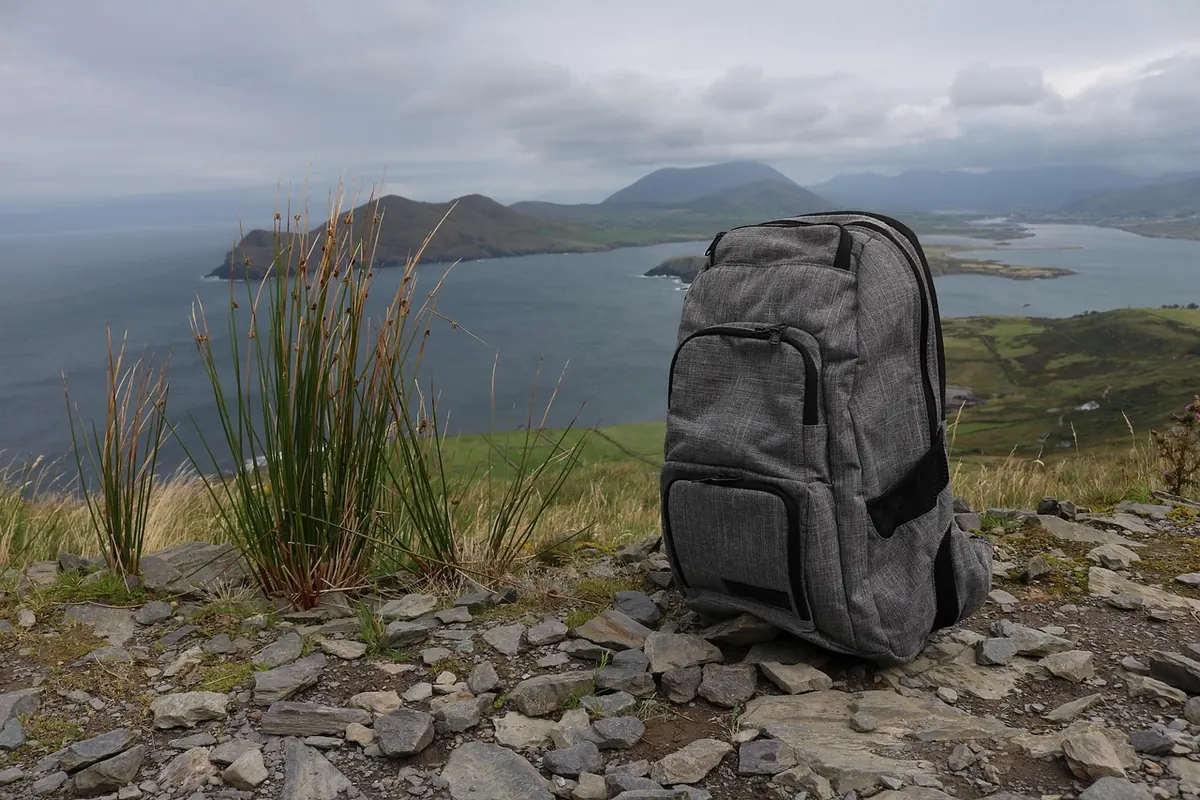

Scotland has hundreds of islands, and a good number of them have a ferry pier, a single-track road and a shop that opens when the boat comes in. For most visitors the ferry is not simply transport — it is the first proper taste of island life, usually with wind and a cup of tea involved.
The system is easier than it looks. A little planning around bookings, baggage and the weather will save you a lot of standing about on a pier.
Choosing the Right Route and Operator
Services are split between a few operators. CalMac covers the west coast and the Hebrides, NorthLink links the mainland with Orkney and Shetland, and a scattering of smaller independent and council-run ferries handle short crossings. Some islands can be reached more than one way: Arran has both the busy Ardrossan to Brodick crossing and the shorter, quieter Claonaig to Lochranza route in the north.
Foot passenger or car?
With a car you keep your own timetable once you land, which matters on islands with thin bus services. The trade-off is that vehicle spaces sell out first in summer, and you must check in earlier. As a foot passenger you are far more flexible, can often travel standby, and will find that buses meet most piers. On Arran, Mull or Islay, going car-free is genuinely realistic. On Harris, or in the north of Lewis, it is harder work.
Booking: What to Do and When
Book vehicle crossings as soon as your dates are settled. Easter to September is busiest, and the long Hebridean routes fill months ahead. Foot passengers can often buy on the day, but in July and August — or whenever a connection depends on it — book anyway.
- Decide whether you need a vehicle, and book that leg first.
- Check how often the sailing runs: several times a day, daily, or twice a week.
- Book the longest, least frequent crossing before the easy short ones.
- Note your check-in time. Vehicles are usually asked to arrive 30 minutes or more before departure; foot passengers around 10 minutes.
- Save your booking reference offline. Signal at a small slip can be patchy.
Multi-island tickets
If you plan to hop between islands, ask about through tickets. CalMac's Hopscotch fares, for example, cover several crossings on one booking and are usually cheaper than buying singles. They also make rebooking simpler when the weather turns.
When the Weather Intervenes
Ferries get cancelled. Wind is the usual culprit, sometimes swell or fog, and while it happens most in autumn and winter, a summer gale can wipe out a day of sailings across the whole west coast. Treat disruption as a normal part of island travel rather than a disaster.
- Allow a spare day before any fixed commitment, especially a flight home.
- Follow the operator's service status page and sign up for text or email alerts.
- Keep a fallback route in mind — a different port, or a different island.
- Choose accommodation with free cancellation where you can.
- If a sailing is cancelled, speak to staff at the terminal rather than relying on the website alone.
If your trip involves a flight, a tour or another expensive booking, read your travel insurance policy carefully to see what it covers when a ferry is cancelled, and contact the insurer directly if anything is unclear.
Luggage, Bikes and Boots
On most Scottish routes, foot passengers carry their own bags on board. There is rarely a weigh-in or a strict allowance, but you will be handling your own kit up gangways and stairs, and luggage trolleys are only found at the larger terminals. Pack so you can move it in one trip.
Vehicle bookings are where sizes and limits matter. Height and length bands apply, and a roof box, roof tent, bike rack or trailer can push you into a higher category. Bikes need to be declared when you book, as rack space is limited.
- Measure your vehicle as loaded, including anything on the roof.
- Book bike spaces when you book your ticket, not on the day.
- Keep a small bag with you rather than in the car boot — you may not return to the vehicle deck during the crossing.
- Bring a warm, windproof layer for the deck, whatever the forecast says.
Building an Island-Hopping Route
Good routes follow the ferries rather than fighting them. Work backwards from the sailings you cannot afford to miss, and let the timetable shape the itinerary.
- Pick two or three islands, not six.
- Check the frequency of every crossing involved.
- Book the scarce legs first and build the rest around them.
- Leave a spare day in the middle for weather.
A classic first hop is Oban to Castlebay on Barra, then north by causeway through Eriskay and the Uists, ferry from Berneray to Leverburgh on Harris, and finally Stornoway to Ullapool. A gentler option runs Ardrossan to Brodick, round Arran, Lochranza to Claonaig, then a drive down Kintyre for the Islay ferry.
On Board and On Arrival
Most crossings have a café, indoor seating and open decks. Take the deck: gannets, dolphins and the occasional minke whale are all part of the journey. On the long overnight sailings to Shetland, booking a cabin turns a tiring night into a comfortable one.
Before you land, know how you are getting off the pier. Island buses generally meet the main ferries, but they are not frequent and not always timed for connections. Book hire cars well in advance, and fill up with fuel when you see a station. On some islands, particularly parts of Lewis and Harris, Sunday opening is limited, so buy what you need on Saturday.
A Short First-Trip Checklist
- Booked the vehicle leg, with correct dimensions noted.
- Check-in time written down and saved offline.
- Alert notifications switched on for your operator.
- One spare day before flying home.
- Bags you can carry yourself, plus a windproof layer.
- Accommodation and onward transport confirmed for the far side.
Do that much, and the ferry stops being a logistical worry and becomes the best part of the day. Build in a little slack, accept that the weather runs the timetable now and then, and you will enjoy these crossings the way they deserve to be enjoyed — slowly, on deck, watching the island come closer.
Photo: igorovsyannykov / Pixabay
Related posts
More stories you’ll love reading